Royal Opera House brandmark
Home > News > Liam Scarlett on Walter Sickert and Jack the Ripper

Liam Scarlett on Walter Sickert and Jack the Ripper

The choreographer on the inspiration for his new short ballet, Sweet Violets.

By Liam Scarlett (Royal Ballet Dancer and Choreographer)

4 April 2012 at 4.56pm | 2 Comments

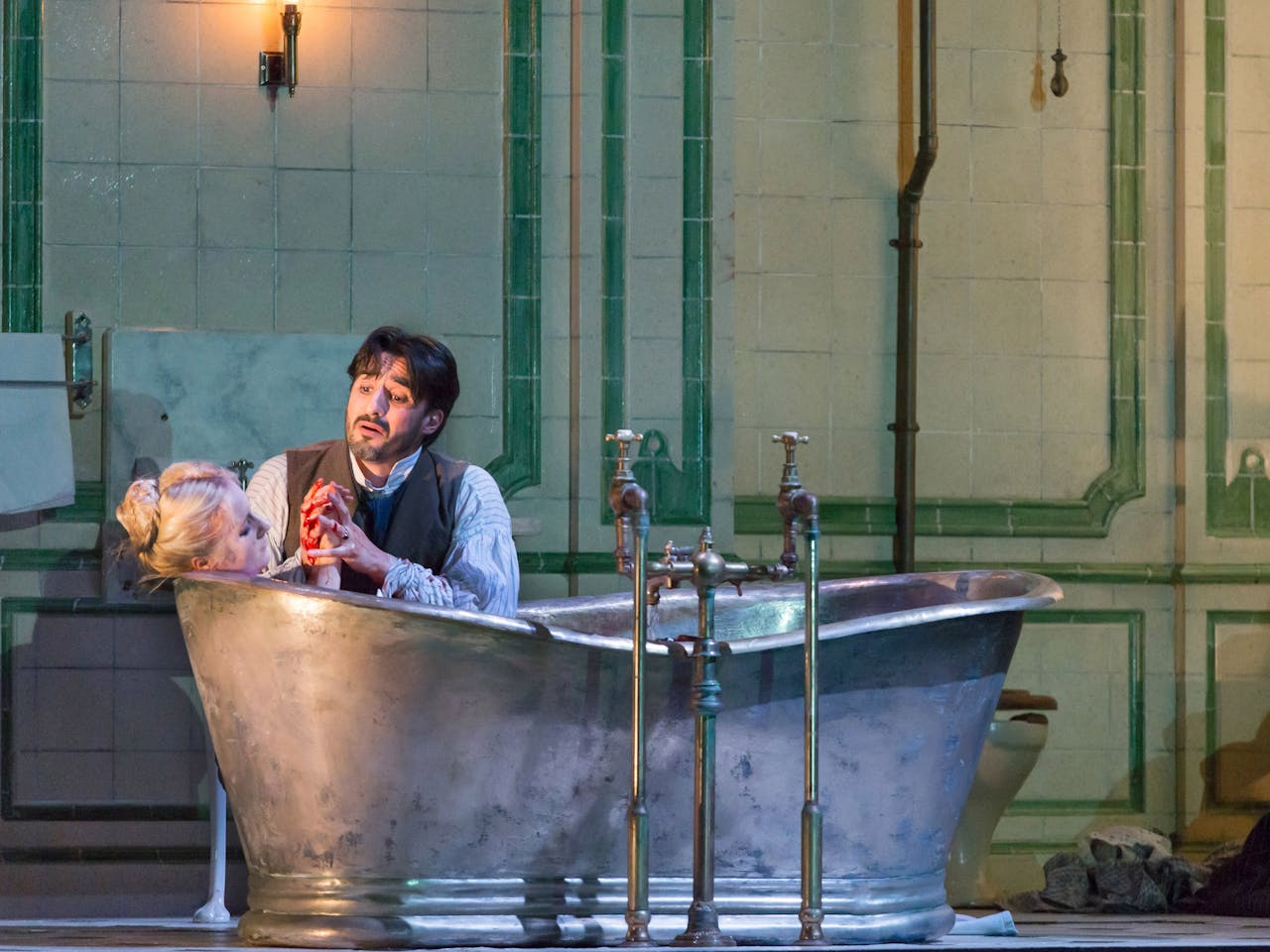
In the early hours of 11 September 1907, a prostitute, Emily Dimmock, took a client to her home at 29 St Paul’s Road, Camden. The next evening her naked body was found by her husband on the blood-soaked bed, her throat cut from ear to ear. The killer had washed the blood from his hands at the washbasin and left locking the door behind
him. As with the savage killings by Jack the Ripper in 1888, the case quickly became an ongoing source of prurient sensationalism in the press, fuelled by the acquittal of the only suspect, artist Robert Wood. The exact events of the fateful evening remain unknown and no one was ever charged with Dimmock’s murder.

Painter Walter Sickert (1860–1942) shared the widespread fascination with the dark and sinister Ripper murders and the killing of Dimmock. They were a source of inspiration for many of his paintings including various lugubrious female nudes, his series entitled ‘The Camden Town Murder’ and Jack the Ripper’s Bedroom. He was rumoured to have boasted that the acquitted Wood sat for the paintings with his long-time model Marie.

The Old Bedford Music Hall was a popular haunt for Sickert and another source of great interest to him. It became the subject matter for various paintings and etchings. The hall is often depicted from complex and ambiguous perspectives, confusing the spatial relationship between the audience, dancer and orchestra, and the paintings often
have an underlying sexual current.

Sickert’s fascination with Jack the Ripper caused significant controversy and led to various claims (all now widely discredited) that he was associated with the murders. One theory alleged that the painter was introduced to the young Prince Eddy (Albert Victor, Queen Victoria’s reckless grandson) in the hope that Sickert would teach the prince about art. It was claimed that the prince had an affair with Annie Crook, a shop girl and one of Sickert’s models, at Sickert’s studio at 15 Cleveland Street. Prince Eddy and Annie were secretly married (with Sickert and Annie’s friend Mary-Jane Kelly acting as witnesses) and Annie bore a child, an illegitimate heir to the throne. Queen Victoria ordered a raid on their apartment, led by the British Prime Minister Lord Salisbury, in the fear that public knowledge of a potential heir to the throne would result in a revolution. Prince Eddy was placed in the custody of his family, Annie was certified as insane and institutionalized, and Mary-Jane Kelly – as the only remaining witness – was brutally and savagely murdered.

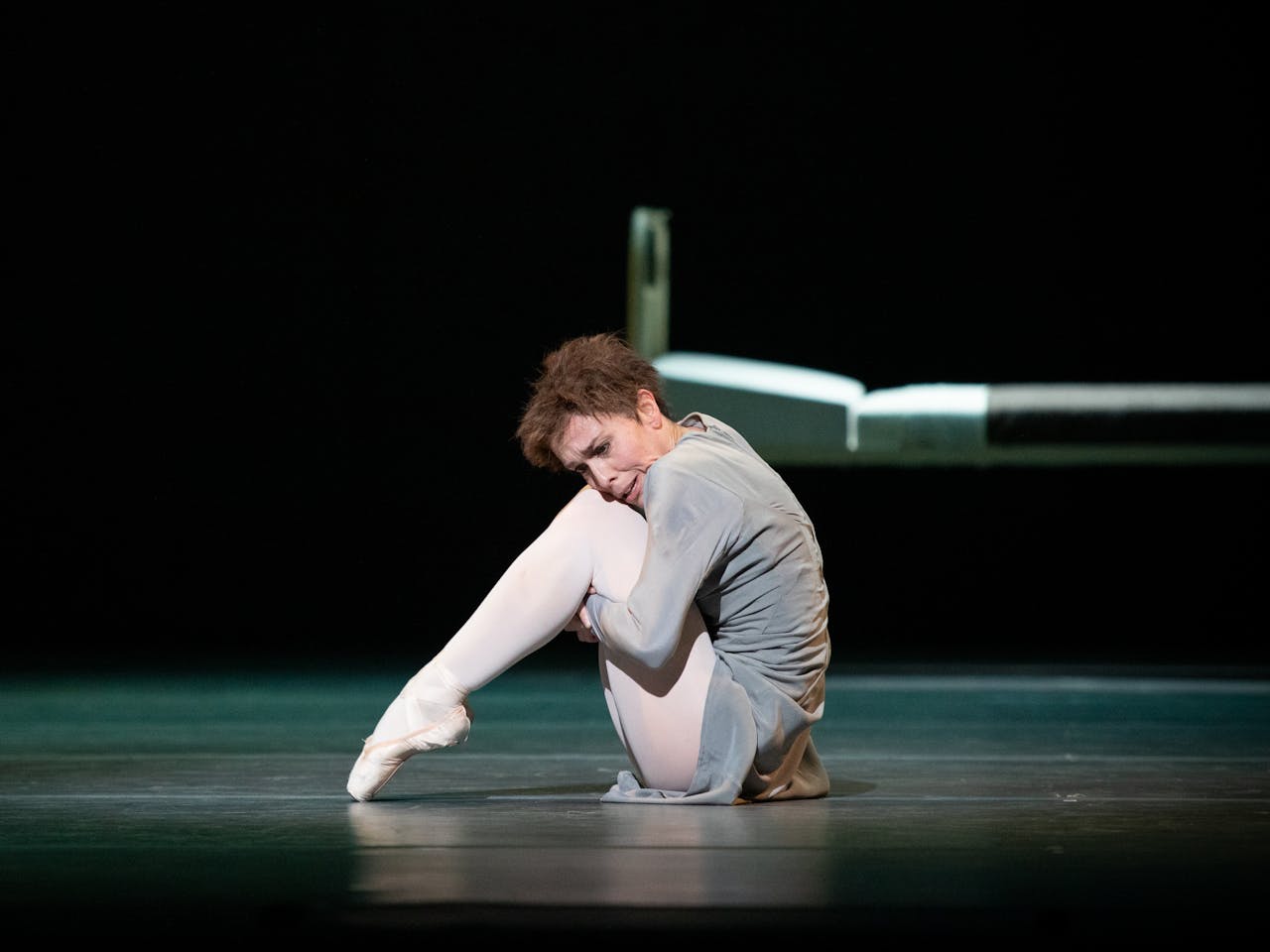
Watch Liam Scarlett rehearsing Sweet Violets with Leanne Cope and Thiago Soares:

Sweet Violets opens on 5 April as part of a triple bill alongside Christopher Wheeldon’s Polyphonia and Wayne McGregor and Mark Ronson’s Carbon Life.

By Liam Scarlett (Royal Ballet Dancer and Choreographer)

4 April 2012 at 4.56pm

This article has been categorised Ballet and tagged by Liam Scarlett, Camden Town Murders, Liam Scarlett, Production, Sweet Violets, Triple Bill, Walter Sickert

This article has 2 comments

  1. Helena Centenera responded on 5 April 2012 at 8:08amReply

    Liam Scarlett is the sweetest choreographer I've ever seen. I love his relationship with the dancers who seem to love him. I can't wait for tonight!

  2. Ismael Hospital responded on 5 April 2012 at 1:59pmReply

    High expectations for tonight!

Comment on this article

Connect with Facebook

Your email will not be published

Website URL is optional

Cookies on the Royal Opera House website

The way we handle cookies is changing. If you want to disable non-essential cookies you must now use your browser settings. Read more about why we have made this change and find out how to update your cookie settings. If you continue using the website we'll assume that you are happy for your browser to store cookies set by the Royal Opera House.

Cookies on the Royal Opera House website

We use cookies to ensure that we give you the best experience. If you continue using the website we'll assume that you are happy for your browser to store cookies set by the Royal Opera House. Learn more about our cookie usage and how to change your cookie settings.